Cultural Clashes, Christmas Trees and Chapati Flour
My husband Alvin and I recently had an unexpectedly humorous encounter when, around the start of the festive season, we went to visit our friend at the hotel she manages. Upon arriving, we were met with the most scrawny-looking Christmas tree I have ever seen, to the point that I felt it was an embarrassment to even call it a ‘Christmas tree’! Its branches were tight and facing upwards, and it had been decorated with very, multicoloured, baubles as well as tinsel and fairy lights. I was sure there was something wrong with it, and saw first of all, upon closer examination, that it was a fake Christmas tree, like the one we had at our home, but that whoever had put it up had literally unboxed it as it was and started decorating straight away. This explained why it looked so scrawny and not really like a tree at all!
After finding someone to aid us in our quest, we went about “fixing” the tree. I found it very amusing that my husband started speaking with great authority on the matter; you could almost forget that we had bought our own Christmas tree, his very first, only the day before, without which he would have had no idea about the subject!
The branches on the tree all had wire inside them and simply needed pushing down, and then the individual branches needed separating from each other. By the time we were finished, the tree not only looked like a tree, but it was also more than triple the size and the person assisting exclaimed in surprise when he saw the trunk of the tree. Fir trees are, of course, extremely numerous in Germany (where I grew up), but are not indigenous to Kenya, so how would they know what the tree should look like? I thought this was a somewhat humorous illustration of the cultural clash for a European in Kenya, and a reminder of the very real cultural differences.
As we approached Christmas, God put it on our hearts to do some kind of Christmas outreach, to share some supplies and a little festive cheer with those who would otherwise not have been able to celebrate in the same way. So we started planning and thinking about what we could do. My husband suggested giving out food which families could make a Christmas Day meal with. Ultimately, we decided on flour, as chapati (a delicious unleavened wheat flatbread) is one of the foods traditionally eaten at Christmas here in Kenya, and it was also something we could easily buy and distribute.
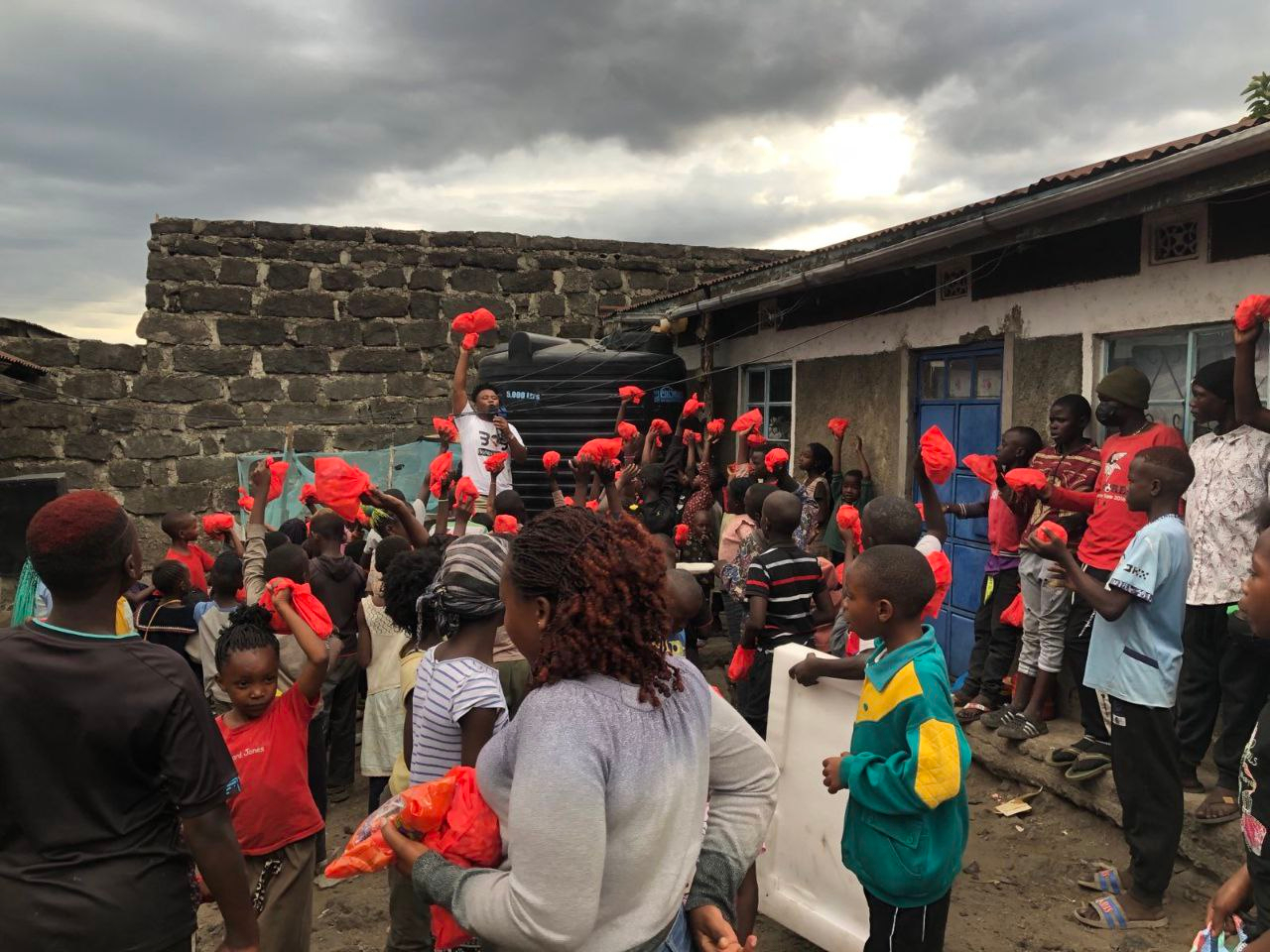
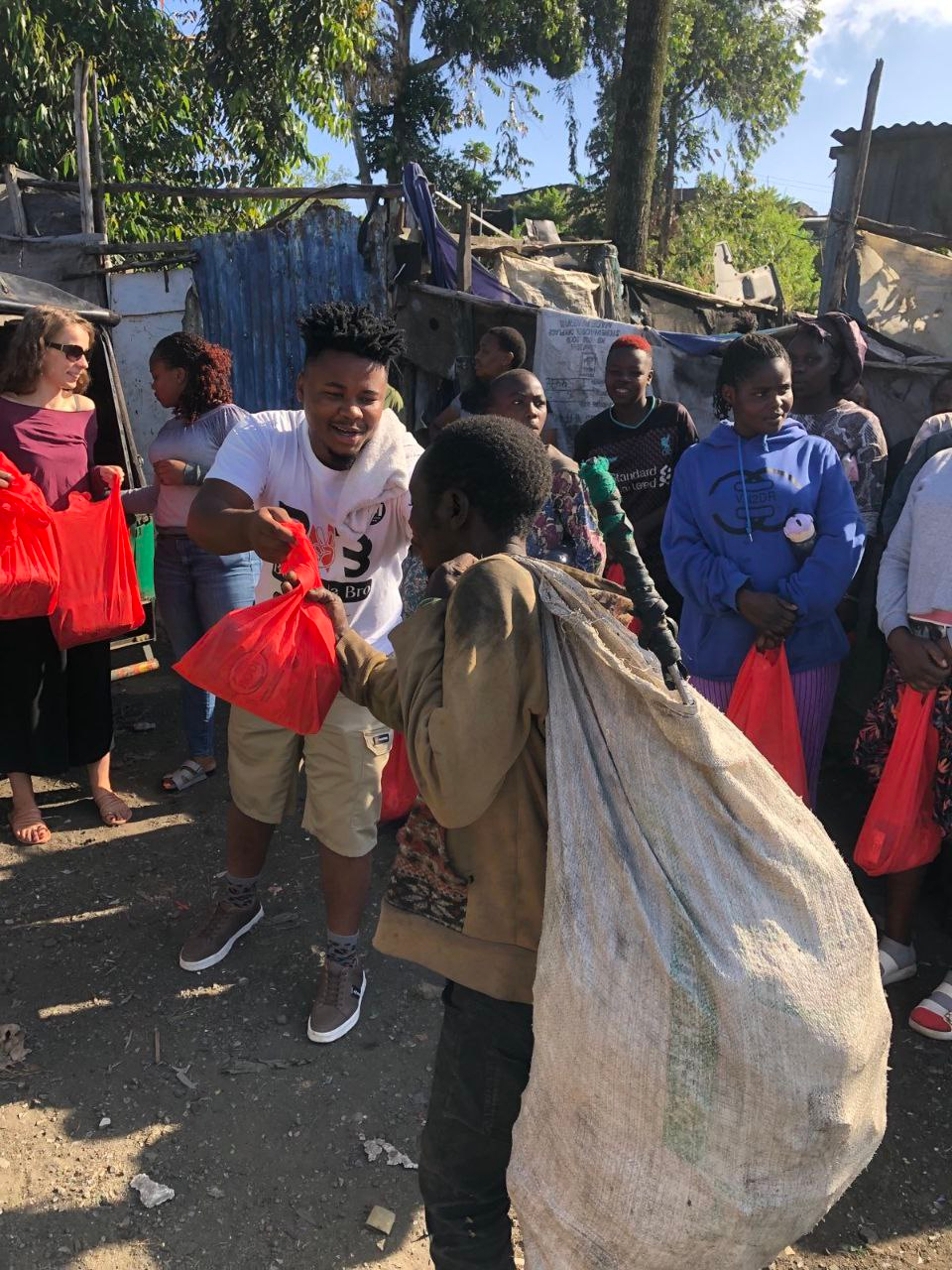
We also wanted to do something for the kids from the nearby rubbish dump and decided on creating small bags containing some treats, like sweets and popcorn. For some days the spare room of our flat was full of over 100 red bags of goodies 🙂 We had ordered 160 bags of flour, which meant it took quite a bit of manpower to transport it all – especially as we live on the top floor of our building! With the help of our friends, we were able to give out this flour to more than 150 families from the rubbish dump on the morning of Christmas Eve.
In the afternoon, we had a small party with the kids in a different corner of the dump. A pastor friend of ours came with us to assist and also supplied speakers from his church. My husband had the time of his life with the kids: they held a dancing competition and then a quiz. To finish off, we gave out the goodie bags. The day was a big success, and a very special way to celebrate Christmas.
I was recently sent this quote by my little brother, attributed to the great British statesman Winston Churchill, and thought it was very profound and a fitting conclusion to this yuletide blog post: “We make a living by what we get, but we make a life by what we give.”